What You Need to Know for Fresh Produce
Fresh produce is important for our health. Eating fruits and vegetables gives us vitamins and minerals that help our bodies. But, if they are not packaged right, they can spoil fast. That’s where Sowinpak's MAP packaging comes in. It creates a special environment inside the package. For example, by lowering the oxygen levels and increasing carbon dioxide, we slow down the ripening process of fruits and vegetables. This way, items like strawberries or lettuce can stay fresh longer. When people buy produce, they want it to be bright and look good, not wilted or bruised. Good packaging helps with this. It protects the produce from bumps and bruises during transportation. This is especially important for long trips where fruits and vegetables might get damaged.
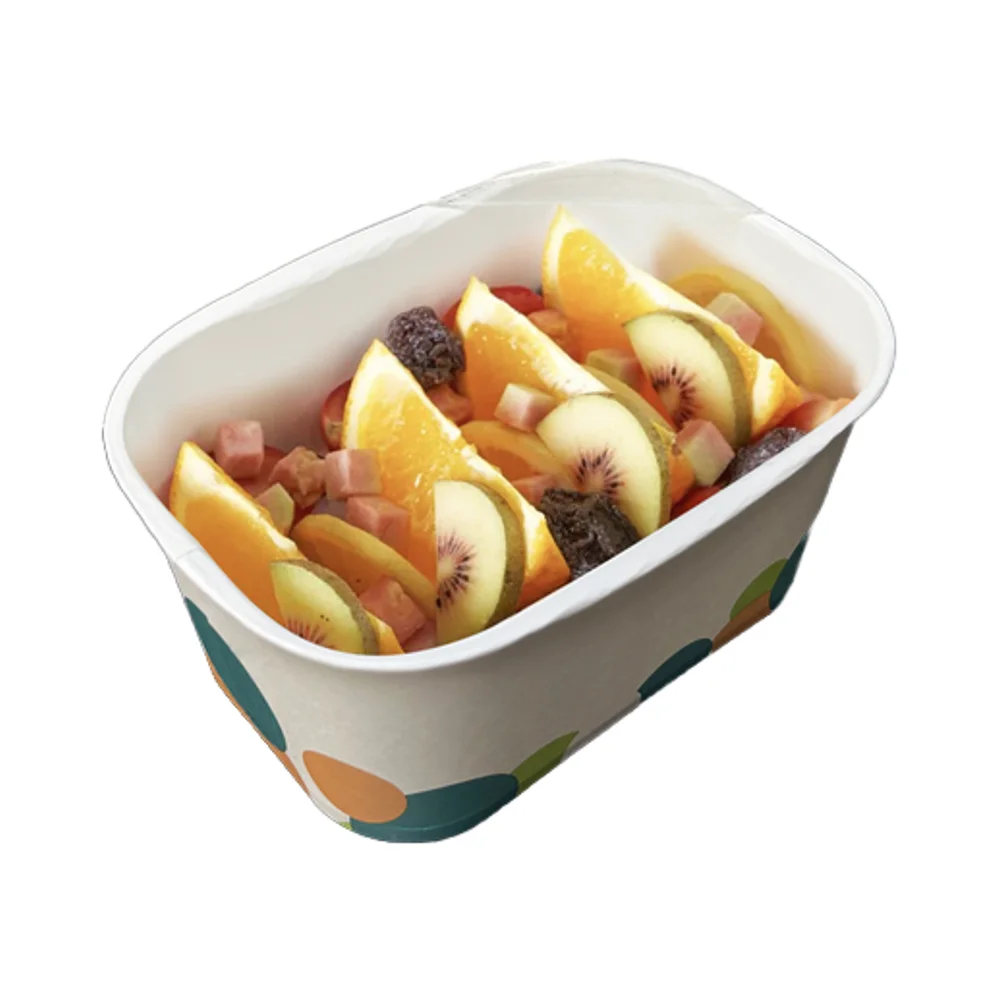
How Sustainable MAP Packaging Enhances Freshness and Reduces Waste
Sowinpak’s sustainable MAP packaging not only keeps produce fresh but also helps reduce waste. Every year, a lot of food gets thrown away because it spoils too quickly. By using our MAP technology, we can extend the shelf life of fruits and vegetables. This means less food waste ending up in landfills. For example, when bananas are packaged using MAP, they can last several days longer than those packed in regular plastic. This is a big deal because it helps families save money. It also means that farms can sell more of their produce instead of seeing it go to waste. We also use eco-friendly materials in our packaging. This is important because it helps protect the planet. Many packaging materials end up in the ocean or take a long time to break down.
Benefits of Using Sustainable MAP Packaging for Wholesale Fresh Produce
Sustainable MAP (Modified Atmosphere Packaging) is a special way to package fresh fruits and vegetables that helps keep them fresh for a longer time. One of the biggest benefits of using sustainable co friendly food packaging containers is that it helps reduce food waste. When fruits and vegetables are packed in MAP, the packaging controls the air inside, which slows down the spoiling process. This means that the produce can stay fresh during transport and when it reaches stores. As a result, more people can enjoy the fresh produce, and less food ends up in the trash. This is great for the environment because it means fewer resources are wasted.
How to Maximize Profitability with Sustainable MAP Packaging for Fresh Produce
Maximizing profitability is crucial for any business, and using sustainable custom takeaway packaging can help with this. One way to do this is by reducing losses from spoiled products. When fresh produce is packed correctly with sowinpak’s sustainable MAP, it can last longer, meaning that more fruits and vegetables reach the consumer in good condition. This means less money spent on waste and more sales for the business. Another way to maximize profit is through marketing. Many customers are willing to pay a little more for products that are packaged sustainably. By using sowinpak’s MAP packaging, wholesale buyers can market their fresh produce as eco-friendly. This can attract more customers who care about the environment and are looking for sustainable options. Additionally, businesses can create special promotions or campaigns highlighting their commitment to sustainability, which can further boost sales.
Latest Trends in Sustainable MAP Packaging for Wholesale Buyers
There are exciting trends in sustainable MAP packaging that wholesale buyers should know about. One of these trends is the use of biodegradable materials. Many companies, including sowinpak, are takeaway food packaging that can break down naturally when thrown away. This is a big step forward because it helps reduce plastic waste in our landfills and oceans. Another trend is the use of smart packaging technology. This means that some packages are now designed with sensors that can monitor the freshness of the produce. These sensors can change color to show if the food is still good to eat. This technology helps retailers and consumers make better choices about the food they buy and eat.